
Prosthodontists: What They Do and When to See One
When dental problems go beyond routine care, seeing a prosthodontist can make a big difference. In many cases, patients in…
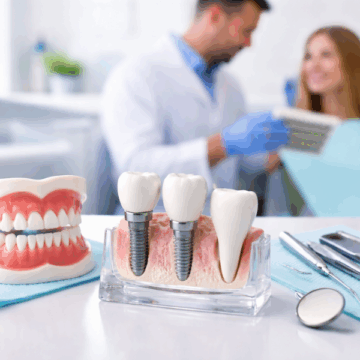
When dental problems go beyond routine care, seeing a prosthodontist can make a big difference. In many cases, patients in…

A straight smile isn't just about looks—it plays a big role in oral health, too. Misaligned teeth can cause chewing…

Dental implants are a trusted solution for replacing missing teeth, restoring function, and boosting confidence. But what if you could…

Ever wished for a smile that instantly grabs attention? Dental Lumineers in Brookline could be the key to making that…

It is crucial to keep teeth and oral tissues safe during physical activity. Mouthguards are among the most effective tools…

Our teeth naturally undergo wear and tear as we age, and sometimes restorative treatments like dental crowns become necessary to…

A dental implant is an effective procedure for replacing missing teeth. They offer durability, function, and a natural look. However,…

Dental implants have become one of the popular choices for replacing missing teeth. These small, sturdy posts are surgically placed…

Full Mouth Reconstruction (FMR) is a dentistry procedure that aims to improve both the function and appearance of the whole…
©2026 Dental Partners of Brookline | Privacy Policy | Notice of Nondiscrimination